1. Why Choose Yame for B2B Organic Matcha Sourcing?
For F&B directors and cafe chain procurement leads, the word "matcha" is no longer enough to satisfy consumers. Sourcing has shifted toward origin-specific, premium grade teas. While Kyoto’s Uji region is widely known, tea master circles in Japan recognize Yame (八女) in Fukuoka Prefecture as the producer of the country's most refined, sweet, and umami-rich green tea.
Yame’s unique microclimate—steep mountainous slopes, dense morning mists (Gyokuro-fog), and extreme day-night temperature swings—naturally restricts sunlight, prompting the tea plants to overproduce chlorophyll. When grown organically under strict USDA and organic-JAS guidelines, Yame matcha offers a creamier, less bitter profile that requires less sweetener in beverage formulations.
2. The Realities of Organic Farming in Yame
Certified organic green tea represents less than 3% of Yame’s total agricultural output. Shading cultivation (被覆栽培 - hihuku saibai), which is mandatory for authentic matcha, deprives tea leaves of light for 20 to 30 days. This survival state renders the plants highly vulnerable to pests and blight.
Without chemical fertilizers and synthetic pesticides, organic Yame farmers must rely on composted local organic soil builders (such as rapeseed meal and organic rice husks) and hand-weeding. For wholesale buyers, this means:
- Volume Restrictions: Limited yearly allocations for true organic first-flush ceremonial grades.
- Price Stability: A slightly higher wholesale cost ($45-$85/kg depending on grade) that reflects the manual labor required.
- Consistent Quality: Strictly monitored chemical analysis testing for export compliance.
3. Wholesale Logistics: From Fukuoka to Your Cafe
Freshness is the ultimate quality metric for matcha. Once ground, matcha oxidizes rapidly when exposed to heat and oxygen. To ensure your café receives tea at peak vibrancy, our direct wholesale logistics program operates under strict guidelines:
| Logistical Step | Protocol Details | Quality Purpose |
|---|---|---|
| Milling | Packed to order in Fukuoka | Prevents premature oxidation of pre-ground stock |
| Packaging | Aluminum foil bulk bags (1kg) + Nitrogen gas flushing | Displaces oxygen to lock in emerald-green color |
| Storage | Cold storage warehouses at -5°C (23°F) | Halts enzymatic degradation before shipping |
| Freight | Temperature-controlled Air Cargo (DHL/FedEx) | Arrives globally in 4-6 days, avoiding sea humidity |
4. Procurement Guidelines for Café Buyers
When evaluating wholesale samples from Yame exporters, procurement officers should request testing documentation and verify three key indicators:
- Color Swatch Test: Drag a 5g sample across high-grade white paper. True ceremonial organic Yame matcha leaves a bright, jade-green streak with zero yellow/brown undertones.
- Formulation Adaptability: Whisk 2g in 70ml of 80°C water. Note the foam density. High-grade ceremonial matcha yields a tight micro-foam that acts as a natural stabilizer for dairy or plant-based milks.
- Certificate of Analysis (CoA): Request pesticide residue screen reports to verify compliance with FDA or EU regulations.
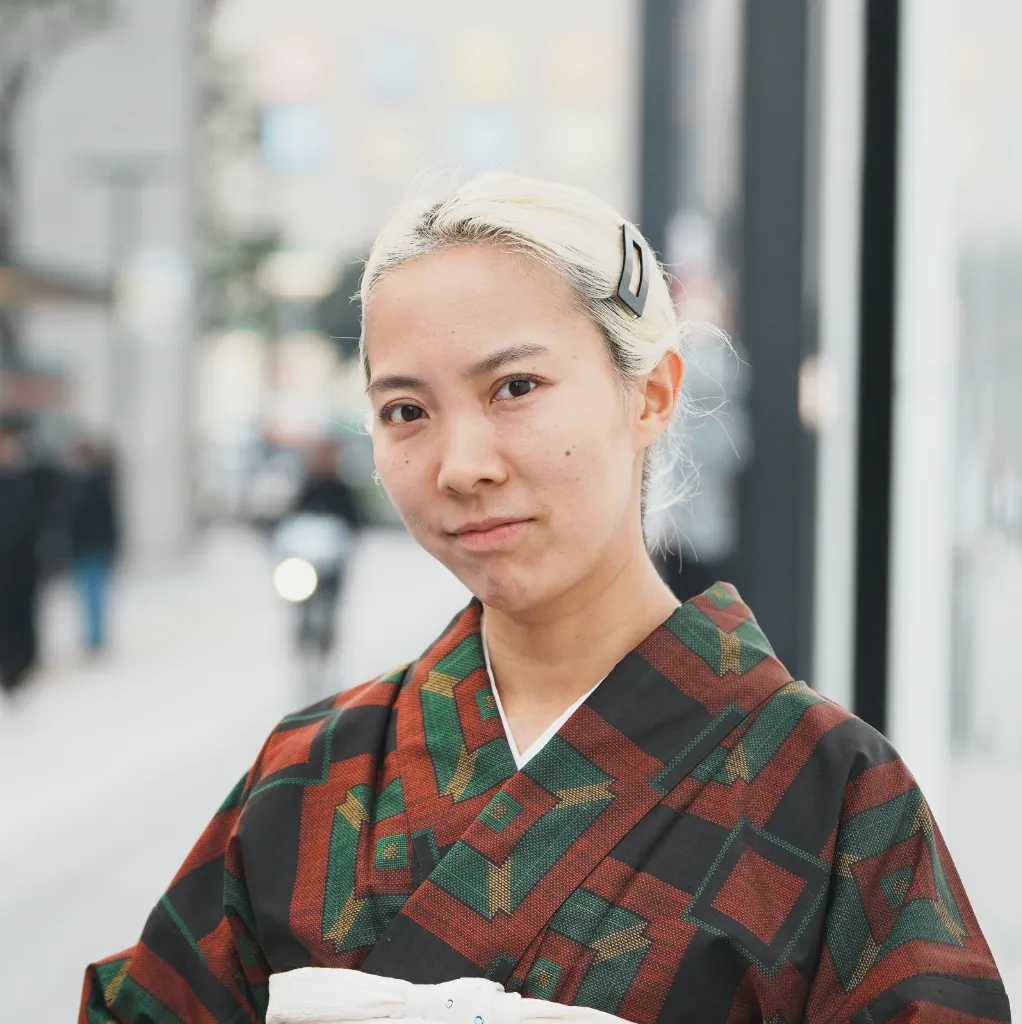
Karen Hashimoto
Curator & Export Compliance Director · Yame Matcha Direct
Karen sources directly from Japanese producers and handles export compliance for B2B buyers in 50+ countries. Based in Fukuoka, Japan. @konnichiwa.karen